How to Measure Static Pressure
Posted by NorthStock, Inc on Aug 5th 2024
Measuring static pressure in an HVAC system is crucial for diagnosing and ensuring proper system performance. Here’s a step-by-step guide on how to measure static pressure:
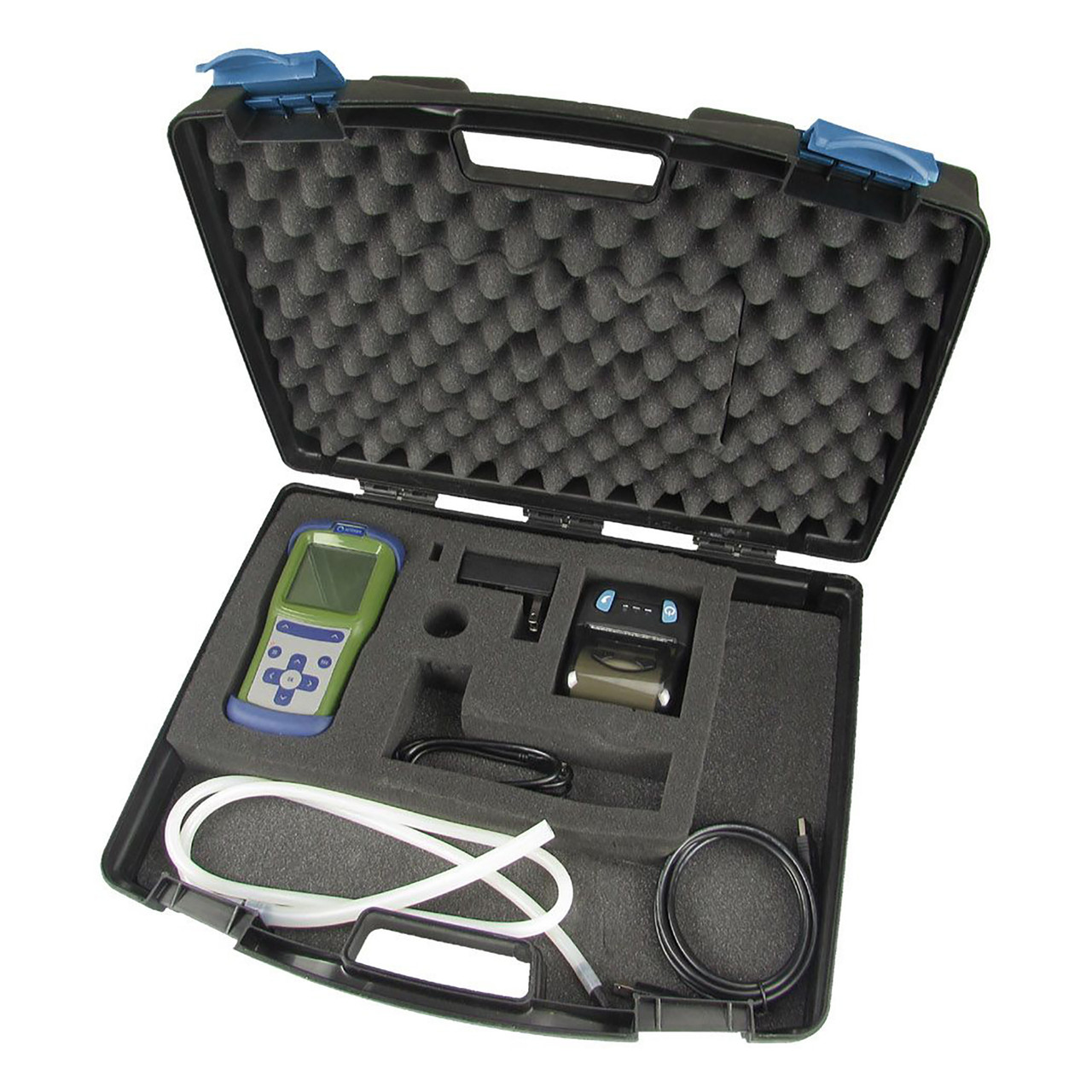
Tools Needed:
- Manometer or Pressure Gauge: Digital manometers are often preferred for accuracy.
- Static Pressure Probes: Also known as Pitot tubes.
- Drill and Drill Bits: For creating small holes in the ductwork.
- Tape: For sealing holes after measurements.
- Permanent Marker: For marking measurement points.
Steps to Measure Static Pressure:
1. Safety First:
- Ensure the HVAC system is turned off before drilling into any ducts.
- Wear safety gear, including gloves and safety glasses.
2. Identify Measurement Points:
- Supply Side: Measure the static pressure in the supply duct before the air enters the conditioned space.
- Return Side: Measure the static pressure in the return duct after the air has been drawn from the conditioned space but before it reaches the air handler or furnace.
3. Drill Test Holes:
- Drill small holes (about 1/4 inch) in the ducts at the identified measurement points.
- Ensure holes are clean and free of burrs.
4. Insert Static Pressure Probes:
- Insert the static pressure probe into the test hole.
- Ensure the probe is perpendicular to the airflow to avoid dynamic pressure influences.
5. Connect Manometer:
- Connect the static pressure probe to the manometer.
- For digital manometers, ensure they are set to read static pressure.
6. Record Measurements:
- Turn the HVAC system on and allow it to reach a steady state.
- Record the static pressure readings from the manometer at each test point.
- Note the supply static pressure and return static pressure separately.
7. Calculate Total External Static Pressure (ESP):
- Total ESP = Supply Static Pressure + Return Static Pressure
8. Seal Test Holes:
- After taking measurements, seal the test holes with appropriate tape or plugs to maintain the integrity of the duct system.
Tips for Accurate Measurement:
- Calibration: Ensure your manometer is calibrated for accurate readings.
- Ambient Conditions: Take readings under normal operating conditions to reflect typical system performance.
- Documentation: Keep a record of all measurements for future reference and comparison.
Interpreting Results:
- Compare your measurements against the manufacturer’s specifications for the system.
- High static pressure indicates possible issues such as blocked filters, undersized ducts, or closed dampers.
- Low static pressure might suggest duct leaks or insufficient airflow.
Conclusion
Measuring static pressure accurately is essential for diagnosing HVAC system issues, optimizing performance, and ensuring efficient operation. Regular static pressure checks can help in preventive maintenance and prolong the lifespan of the HVAC system.
Shop HVAC Systems at NorthStock
NorthStock carries a wide selection of commercial and industrial HVAC solutions. We offer competitive pricing, including special volume pricing on bulk orders when you Contact Us in advance, along with fast, free shipping to the lower 48 states. Shop now.