Choosing the Air Conditioner System for a Hotel
Posted by NorthStock, Inc on Jul 5th 2024
Hotel AC systems are typically chosen for efficiency and reliability, among other considerations. It's essential to provide cooling comfort for your guests while controlling your energy costs. These systems also need to be quiet and give guests control over their preferred room temperature. Your HVAC choices will determine your operating costs, maintenance concerns, and guest satisfaction, which in turn influences your reputation over time.
Understanding Hotel HVAC Needs
Hotels have special considerations for heating and cooling systems:
- Guest comfort: Each individual room needs its own climate control system to ensure every guest is comfortable.
- Energy efficiency: With multiple rooms in use year-round, energy-efficient hotel AC systems can help you save a lot of money.
- Noise levels: Guests deserve to talk to their companions, watch TV, or go to sleep without being distracted by the noise from the HVAC system.
- Maintenance: Broken or ineffective systems lead to guest dissatisfaction. You need reliable units that are easy to fix when required.
Types of Air Conditioning Systems for Hotels
There are several types of hotel AC systems that may be right for your building, depending upon your budget, the size of the hotel, and more:
Packaged Terminal Air Conditioners (PTACs)
PTAC units provide heating and cooling in one unit. They're ideal for cooling small spaces, making them popular for hotels, apartment complexes, and more. With today's advanced HVAC technology, they're more efficient and aesthetically pleasing than ever.
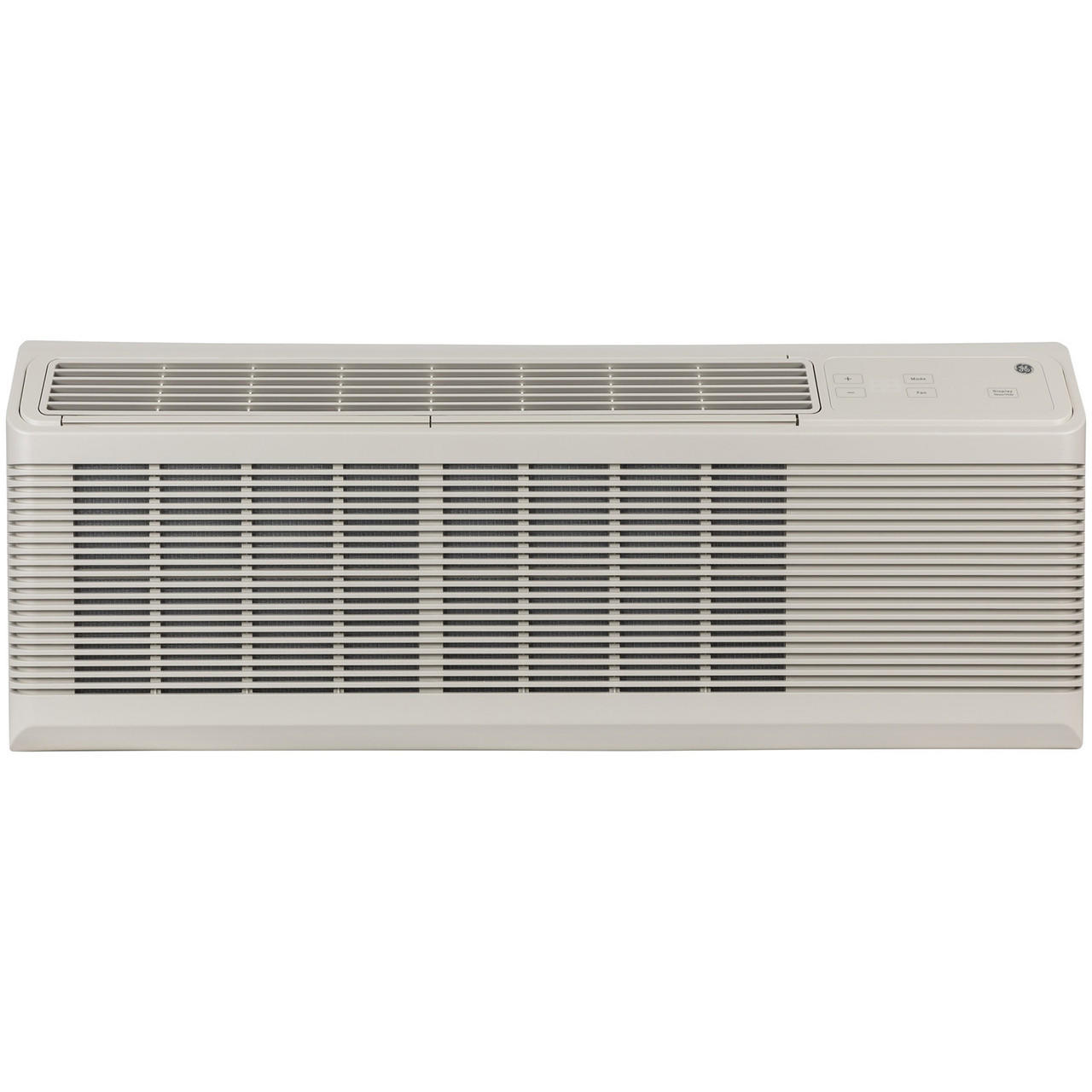
- Advantages: These are easy to install in each room and give guests individual control over the temperature.
- Considerations: Historically, PTAC units have a reputation for being loud—however, more and more PTACs are now engineered for quiet operation. To ensure efficiency, regular maintenance is important. This includes cleaning the filter at least once per month.
Variable Refrigerant Flow (VRF) Systems
VRF is quickly gaining popularity in the industrial and commercial HVAC industry. It's an electric heating and cooling solution that allows for multiple indoor units to be connected to a single outdoor unit, which cycles the least amount of refrigerant required by the zone.
- Advantages: These energy-efficient systems allow for flexible zoning. You maintain facility control to optimize heating and cooling, while individuals retain the ability to control the temperature in their own rooms.
- Considerations: VRF systems can be difficult to install and typically cost more upfront. You need to consider whether your savings over time is worth the initial investment.
Chilled Water Systems
Chilled water systems use water instead of refrigerant to cool the air.
- Advantages: These systems are quiet and efficient for large spaces and properties.
- Considerations: You need a lot of room for the chiller plant in a chilled water system, and chilled water piping must be run throughout the facility. These systems also have demanding maintenance requirements.
Split and Multi-Split Systems
A split system consists of an indoor unit and an outdoor unit, while multi-splits allow you to connect several indoor units to one outdoor unit. Both types are controlled by the individuals in each room.
- Advantages: These are a cost-effective solution for smaller hotels, and they offer flexible installation options.
- Considerations: You must determine where to place the outdoor unit. If the aesthetic is a concern, multi-splits may be preferred, since you only need one outdoor unit for several rooms, rather than one for each room. Regular maintenance is essential to keep the units clean and functioning properly. With a multi-split, if one outdoor unit goes down, it affects multiple rooms. In a split system, an outdoor malfunction will only impact the one room it's connected to.
Key Factors in Choosing the Right System
Each hotel is unique, so it's important to consider the following factors when choosing your hotel AC system:
- Energy efficiency: Your long-term costs will be greatly impacted by the unit's efficiency. Of course, proper maintenance will also help you keep your system functioning optimally for years.
- Long-term cost savings and environmental impact: An inefficient or poorly maintained system will hurt your bottom line in the long run, and could damage your reputation as an eco-friendly company or building.
- Guest comfort: Effective cooling with individual climate control in each room is essential for guest comfort.
- Importance of quiet operation: If unit noise interrupts sleep or interferes with the guest's ability to watch television or carry on a conversation, that guest is unlikely to return and may leave you an unfavorable review.
- Installation and maintenance: Certain hotel AC systems are harder to install and maintain than others. You have to weigh the future energy or maintenance savings against the upfront investment of such systems.
- Scalability and flexibility: If you expand the hotel or remodel to create larger (or smaller) rooms, will your AC system adapt to accommodate the new size and layout? For example, if you add rooms, it's easy enough to add another PTAC unit. It could be much harder and more expensive to install the piping required in a chilled water system.
Recommended HVAC Systems for Different Hotel Sizes
The size of the hotel is one of the major considerations when choosing your HVAC system. These are some of the best hotel AC systems with that in mind:
Small Hotels and Boutique Inns
- PTACs
- Split systems
Mid-Sized Hotels
- PTACs
- Multi-split systems
- VRF systems
Large Hotels and Resorts
- PTACs
- VRF systems
- Chilled water systems
Purchase Your Hotel AC System at NorthStock
NorthStock carries a wide selection of hotel AC systems and other commercial and industrial HVAC solutions. We offer competitive pricing, including special volume pricing on bulk orders when you Contact Us in advance, along with fast, free shipping to the lower 48 states.
Hotel AC Frequently Asked Questions
What is the most cost-effective AC system for small hotels?
PTACs and split systems are both great options. PTACs are typically less expensive upfront.
How can I improve energy efficiency in my hotel's HVAC system?
- Before you choose a hotel AC system, check the SEER and EER ratings to ensure you're starting with an energy-efficient model.
- Ensure all windows and doors are properly sealed to prevent leaks.
- Perform regular maintenance on each unit as recommended by the manufacturer.
- Repair any issues promptly.
- Provide recommended temperature levels to give guests an idea of where to start, and post reminders to turn off the unit when they leave the room.
- Replace your AC units when you notice decreased performance. A higher energy bill may also be an indication that it is time to service or replace your units.